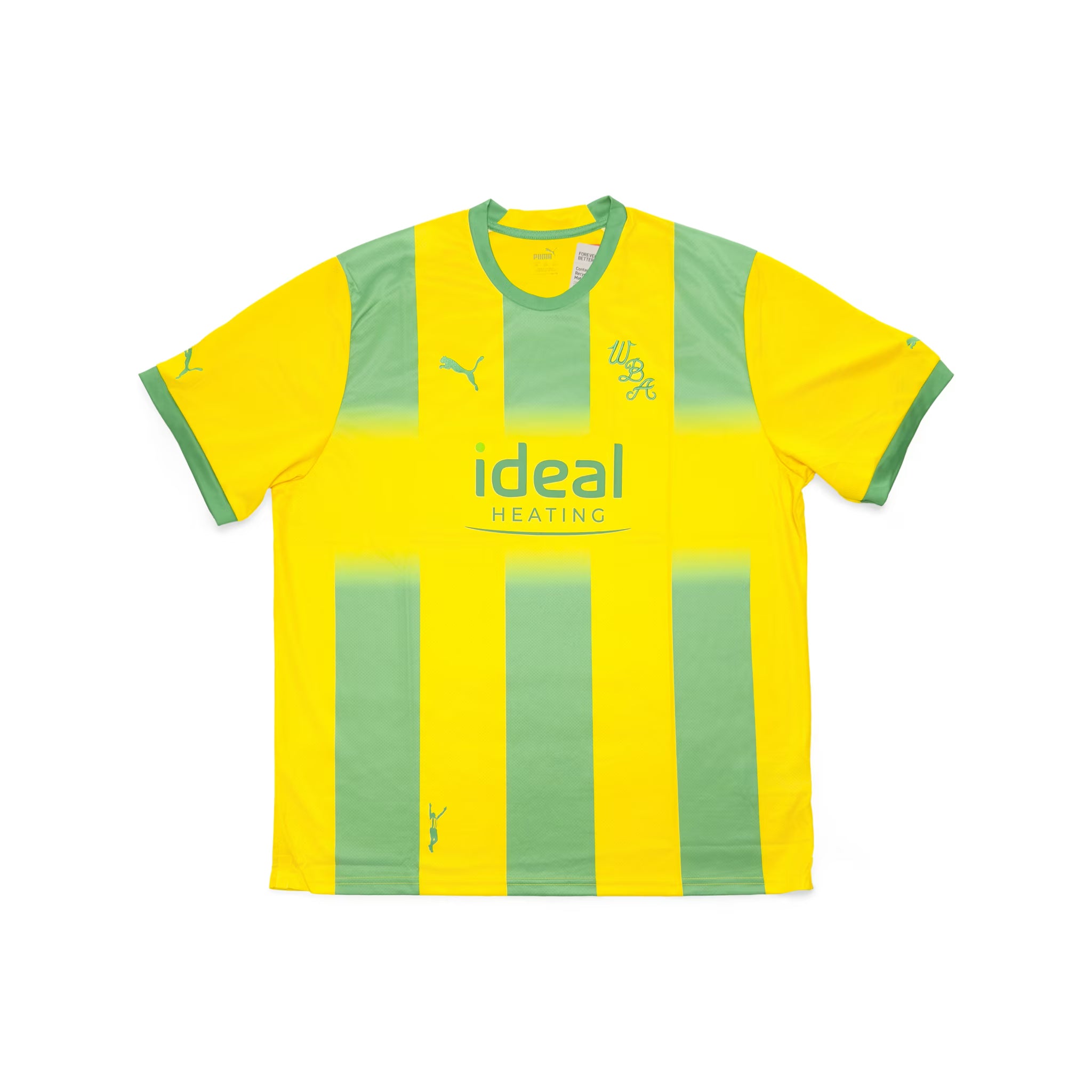
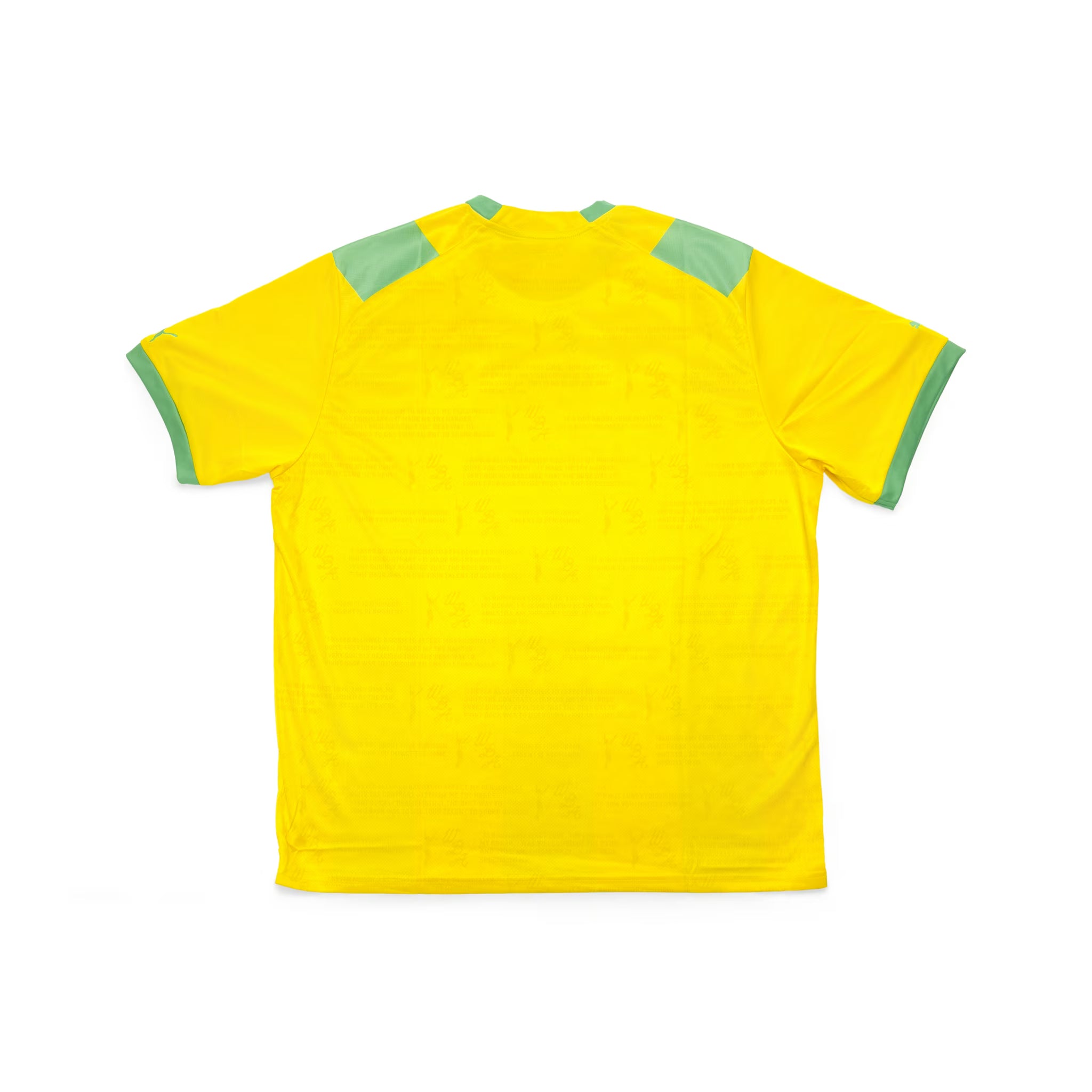
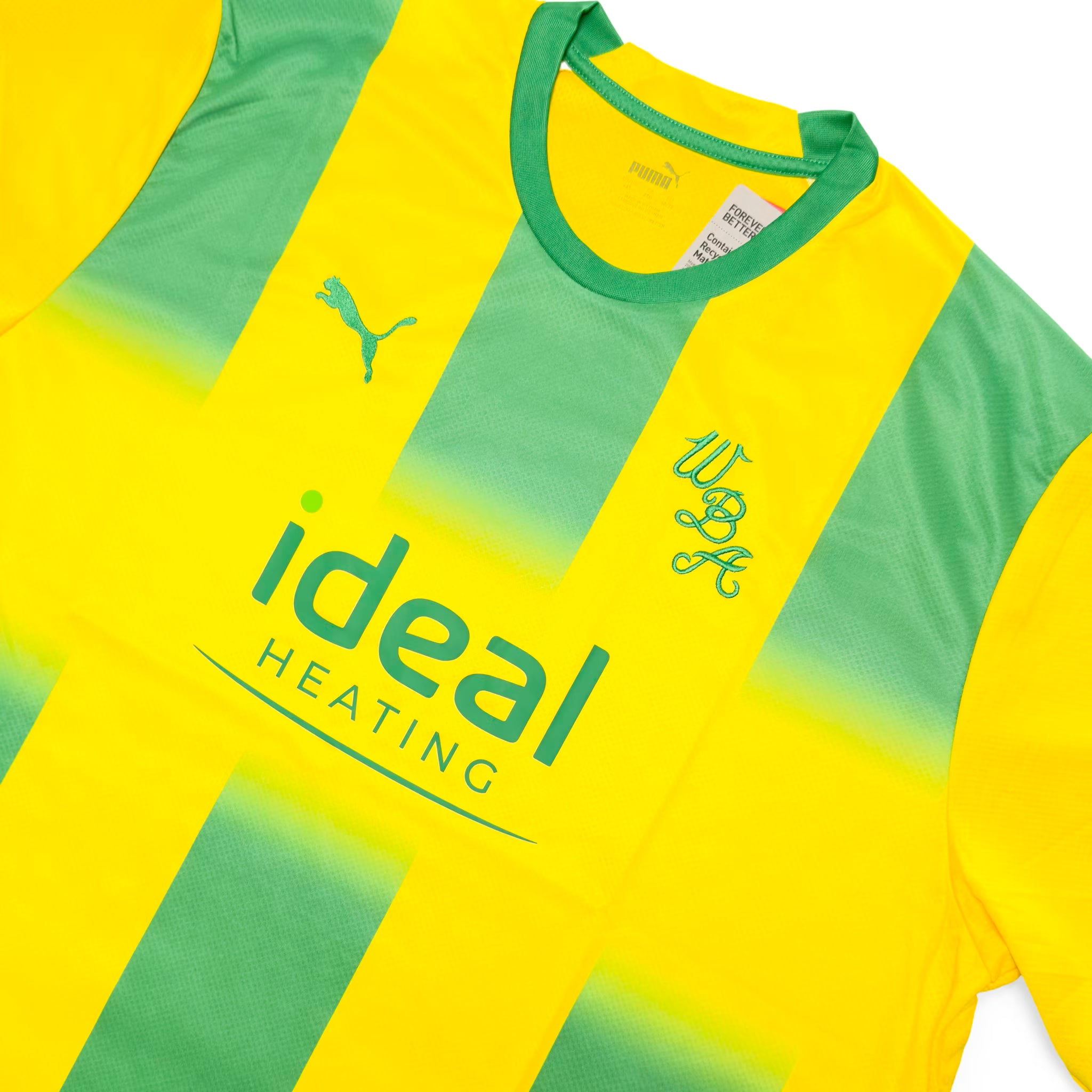
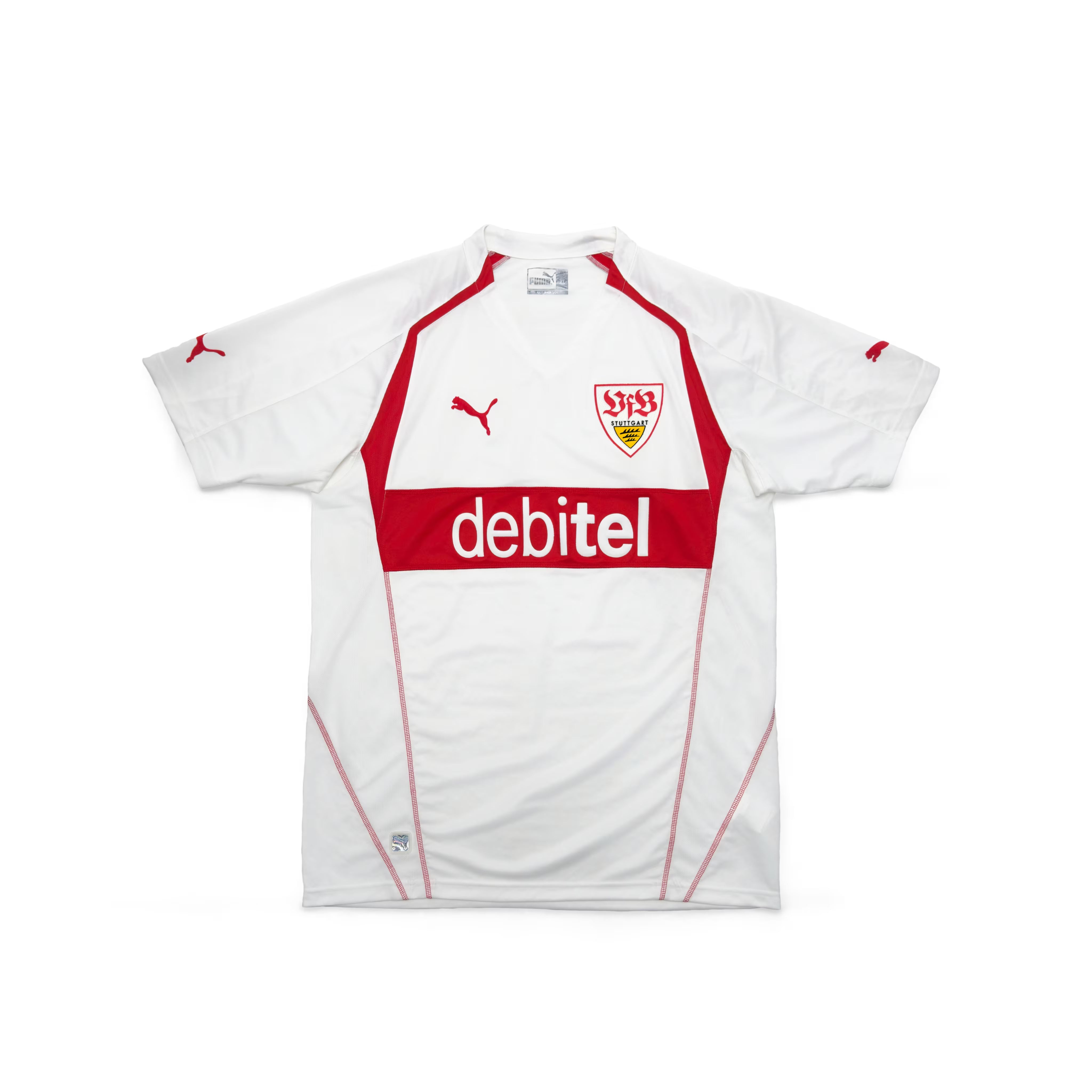
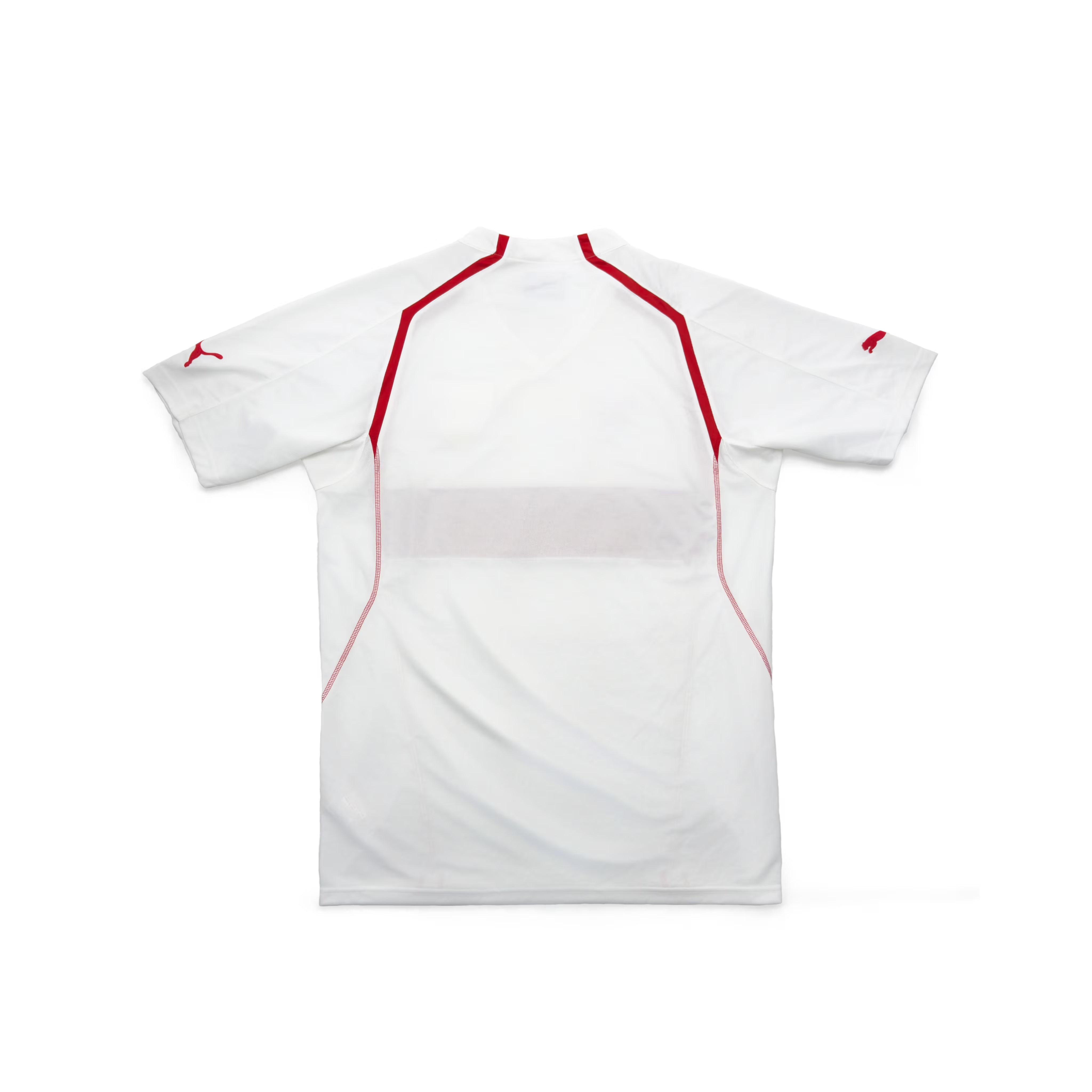
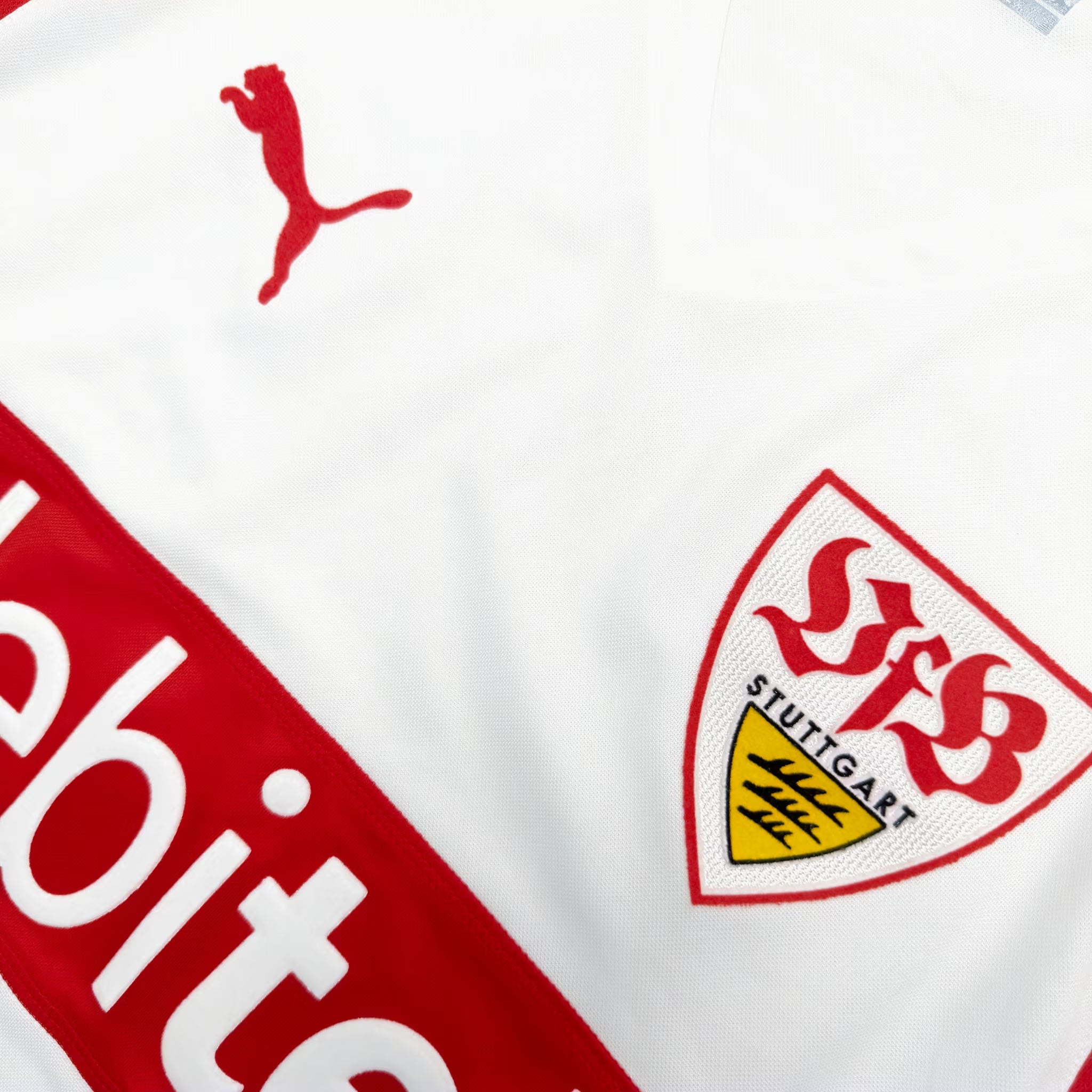
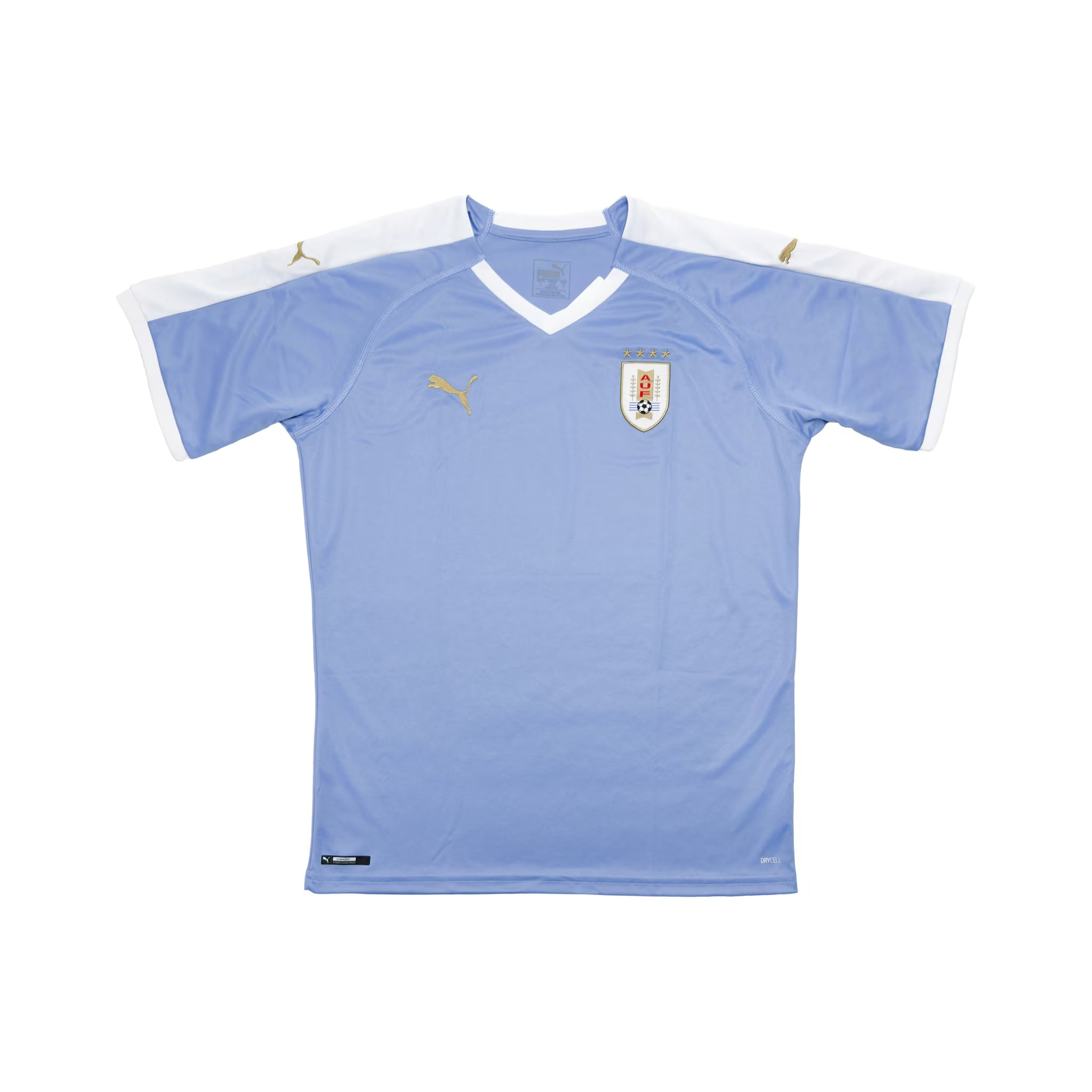
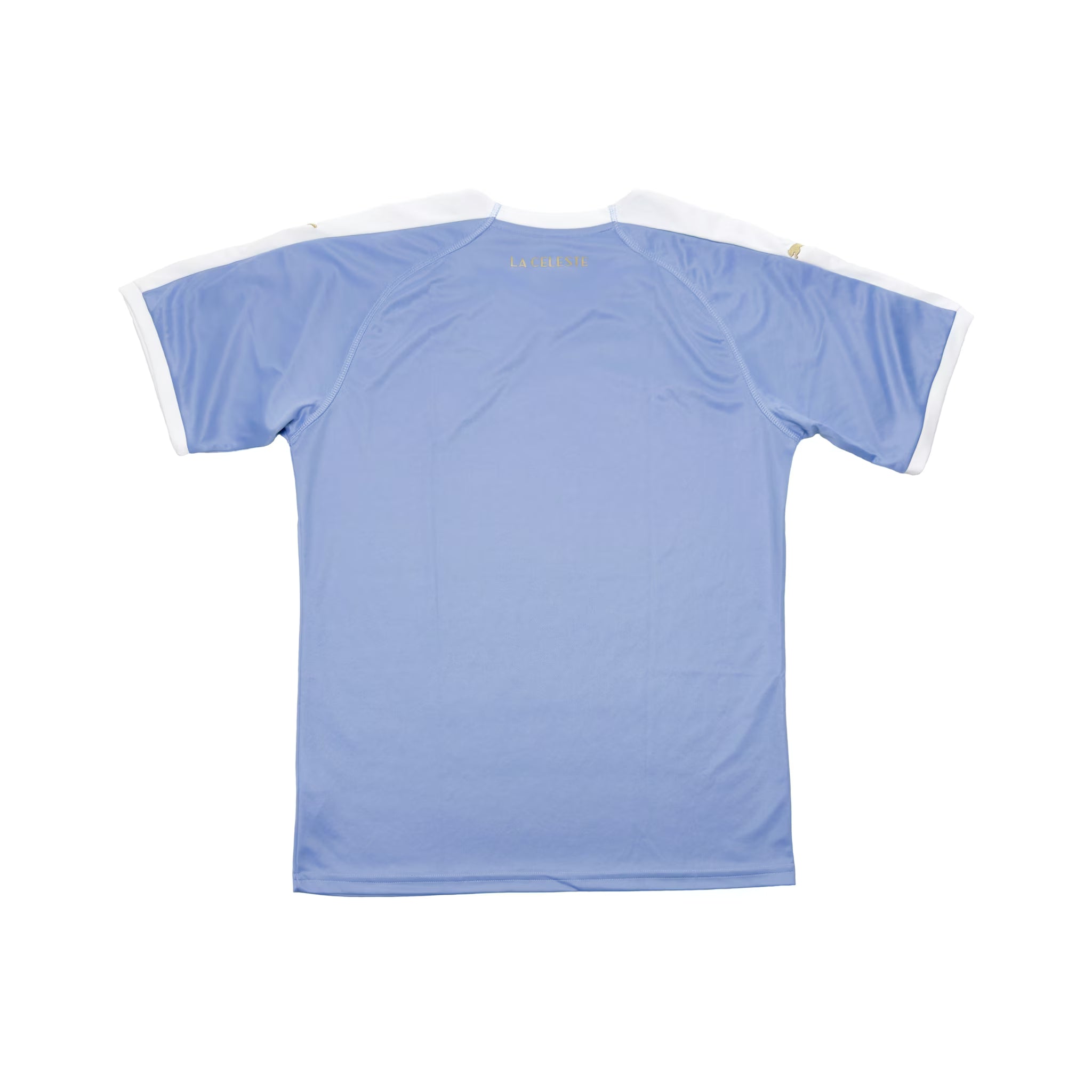
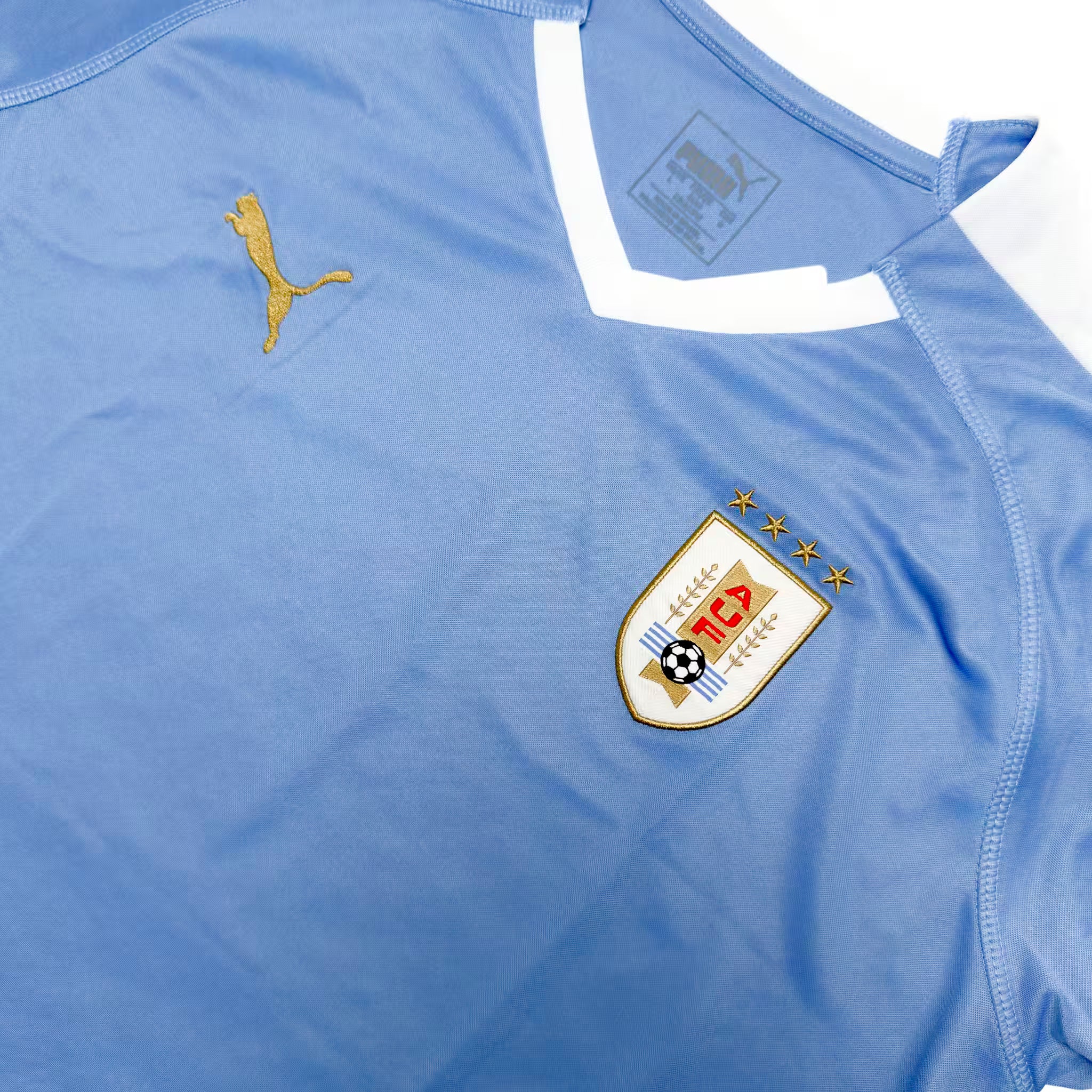
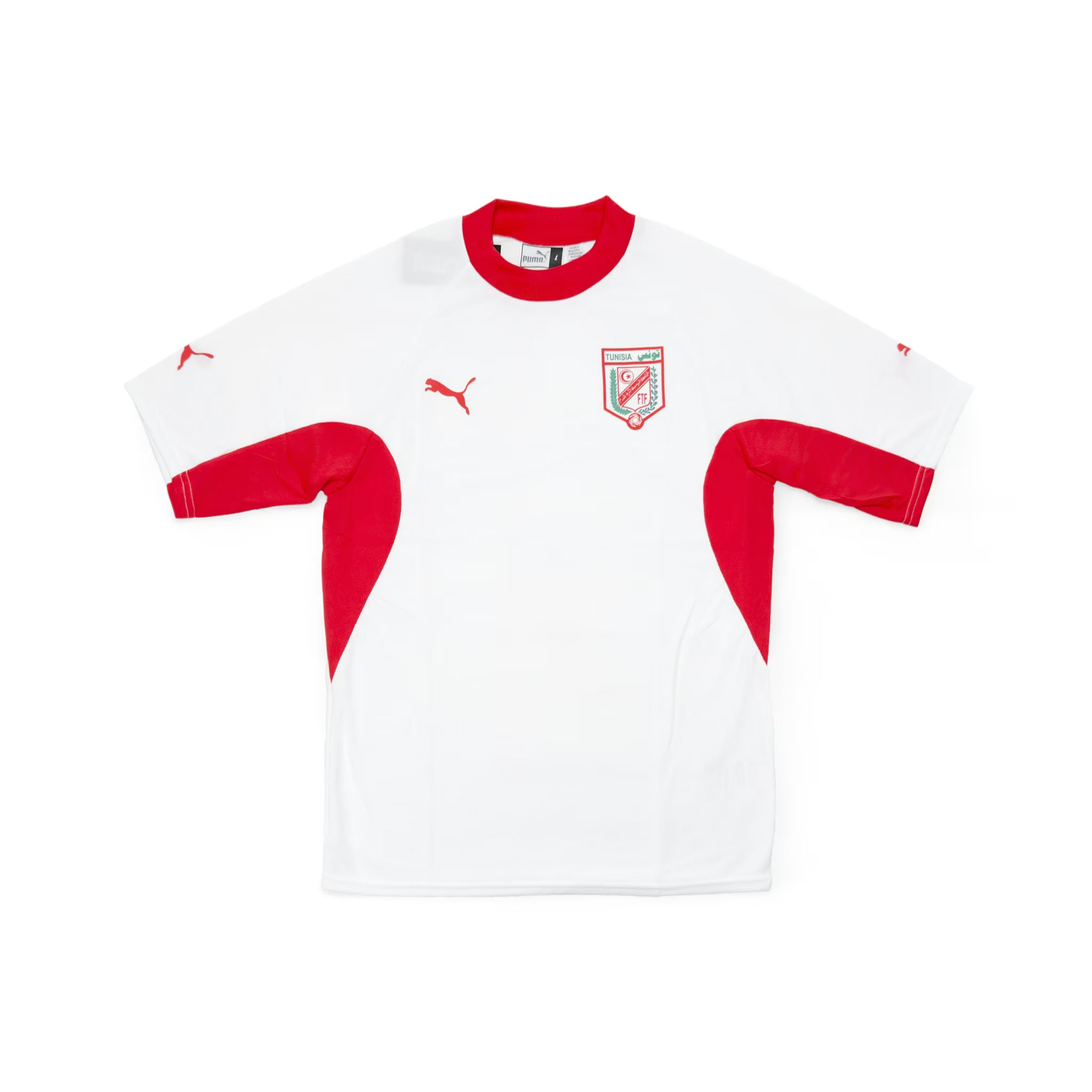
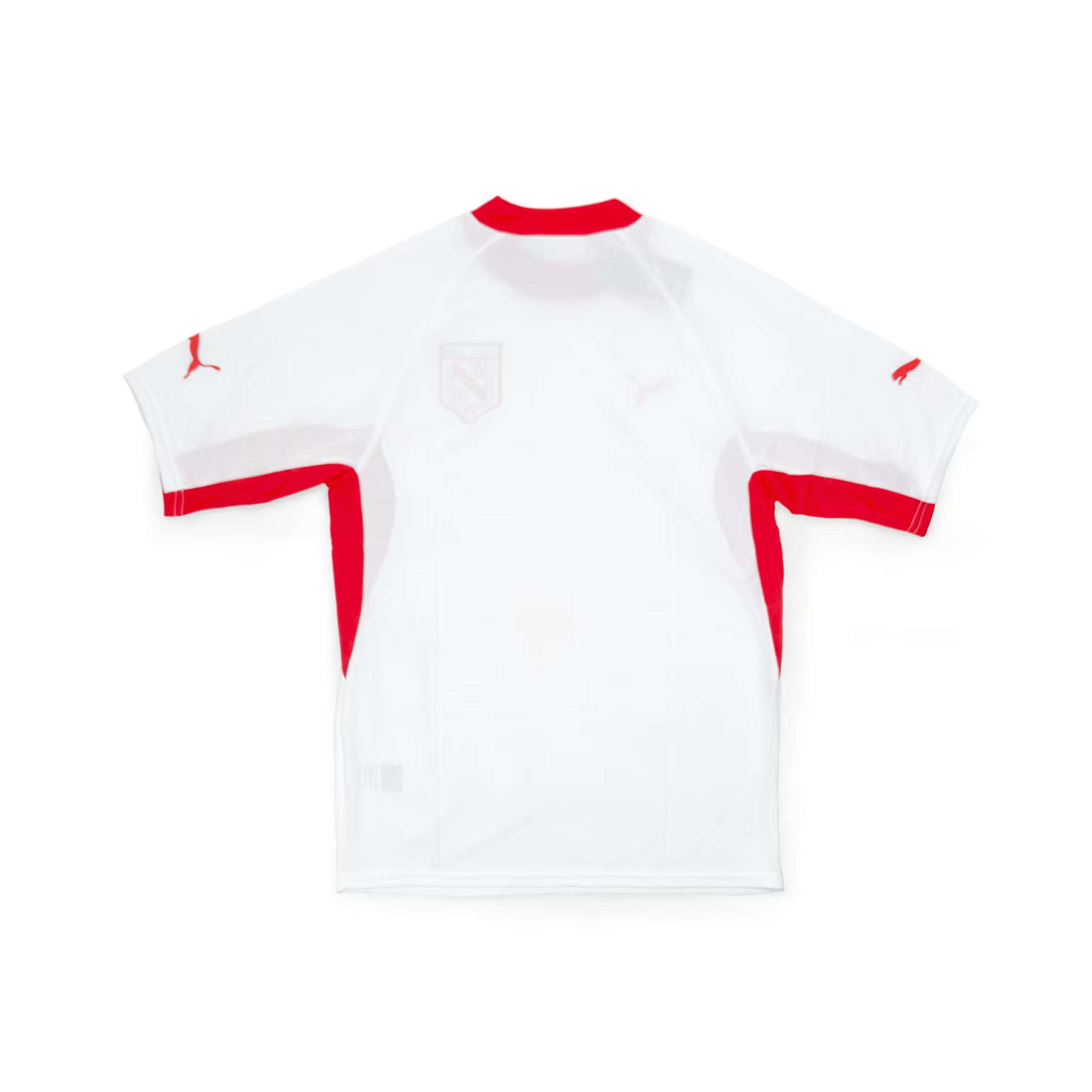
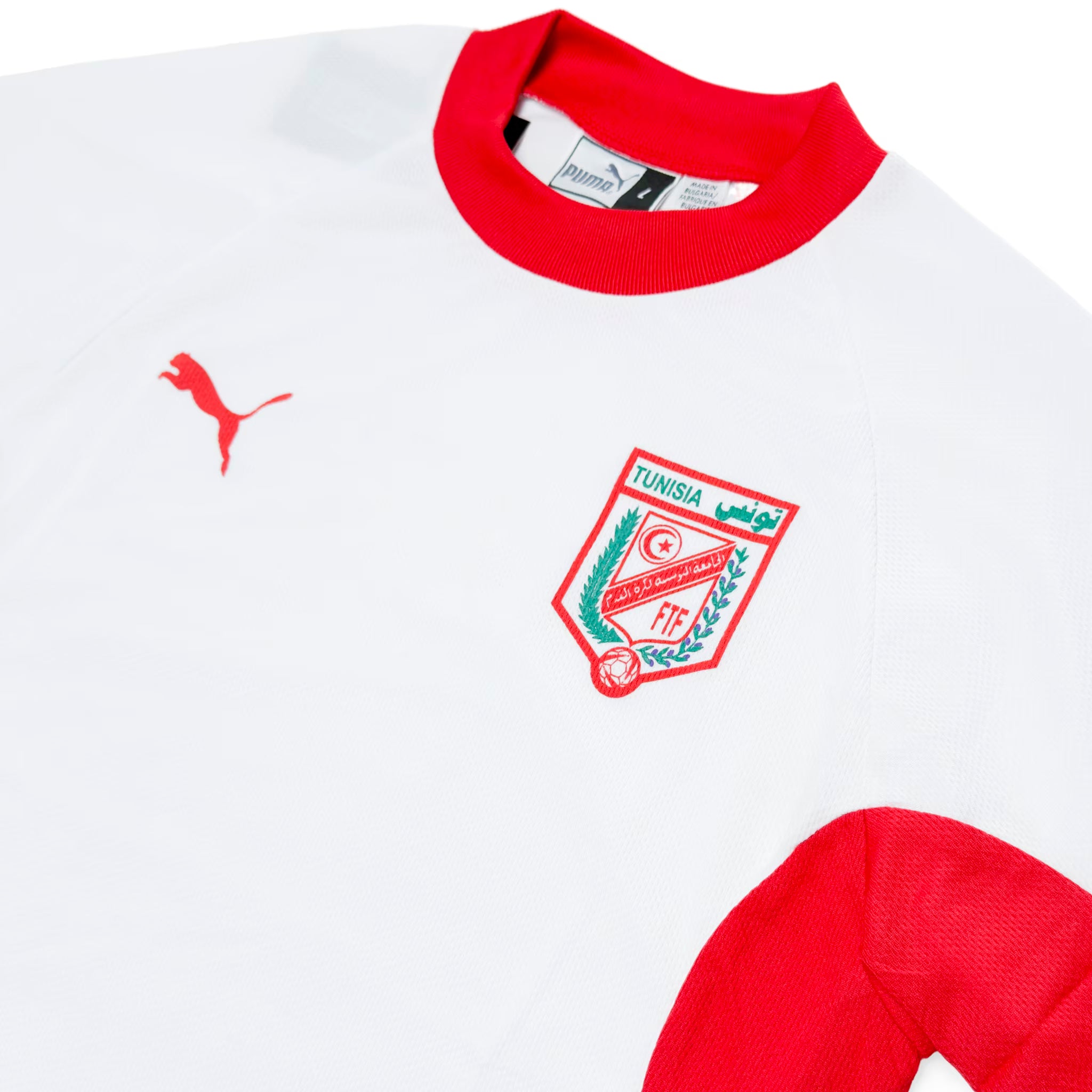
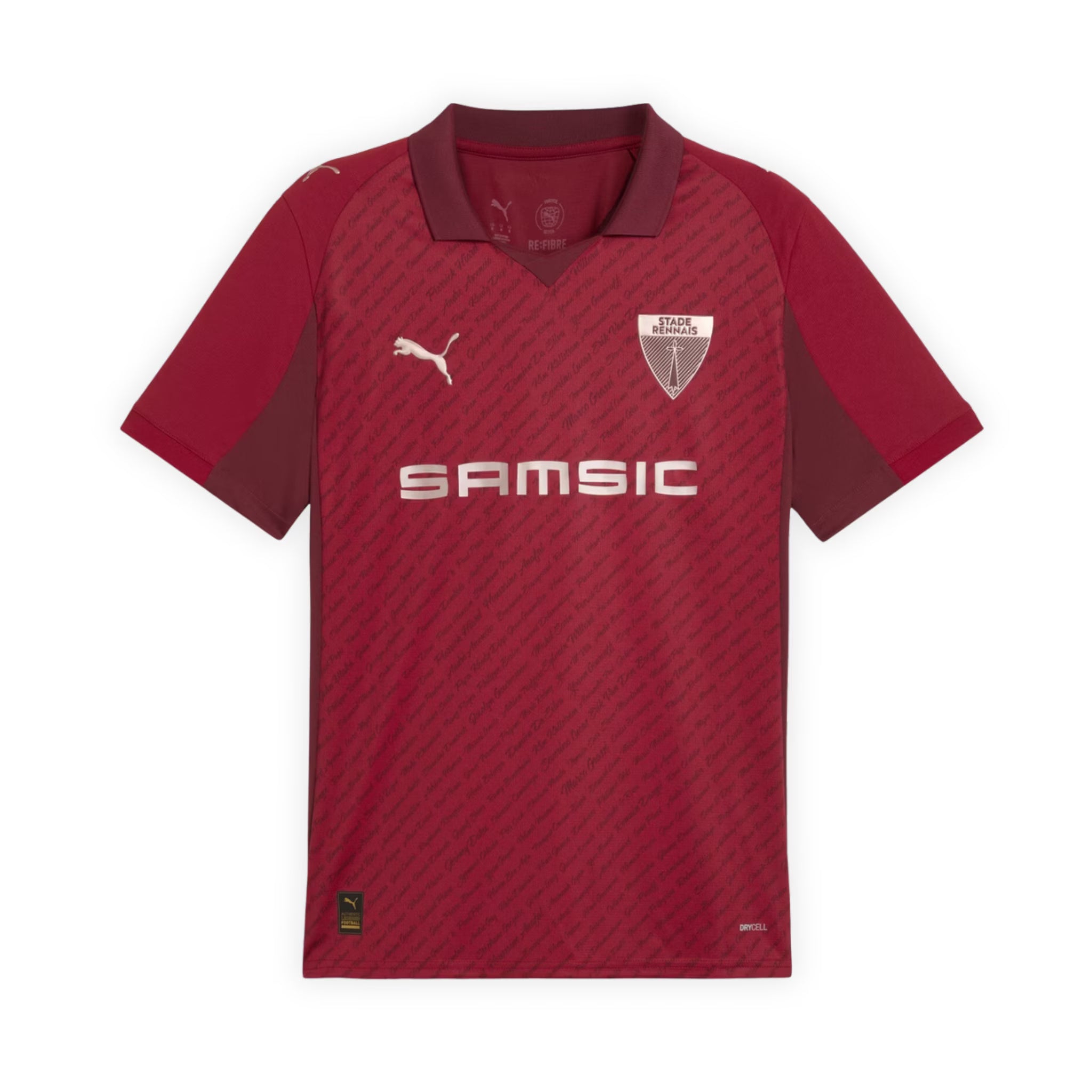
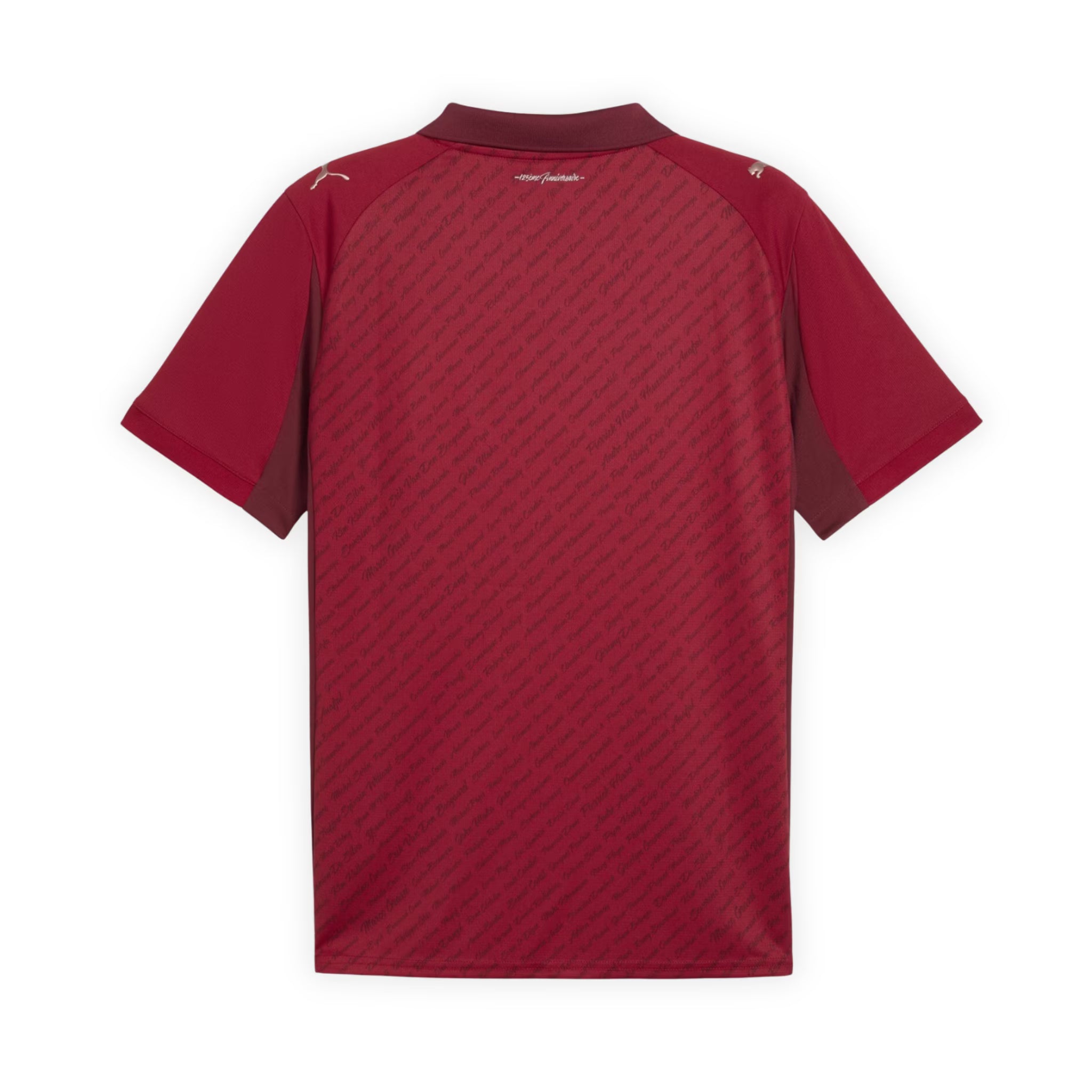
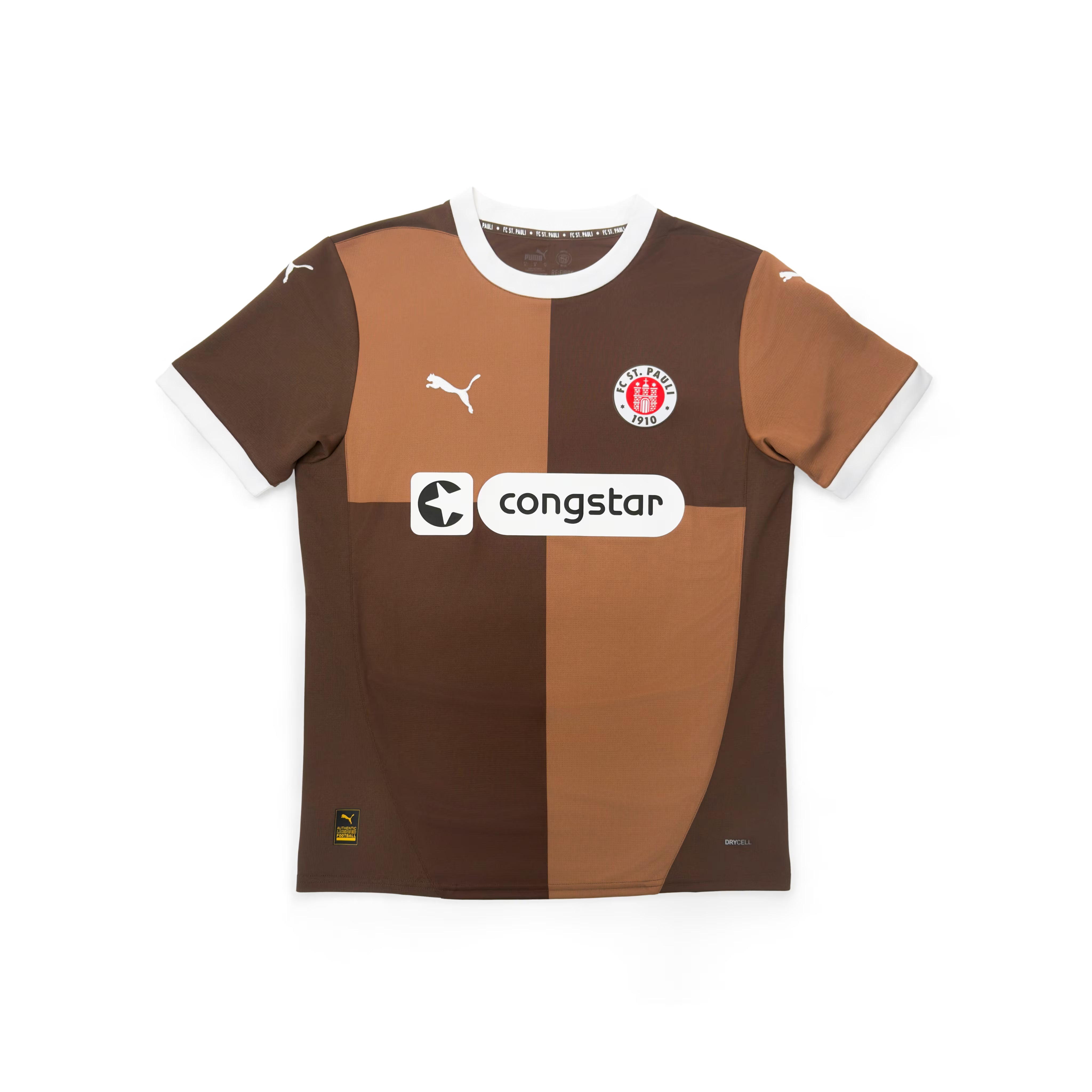
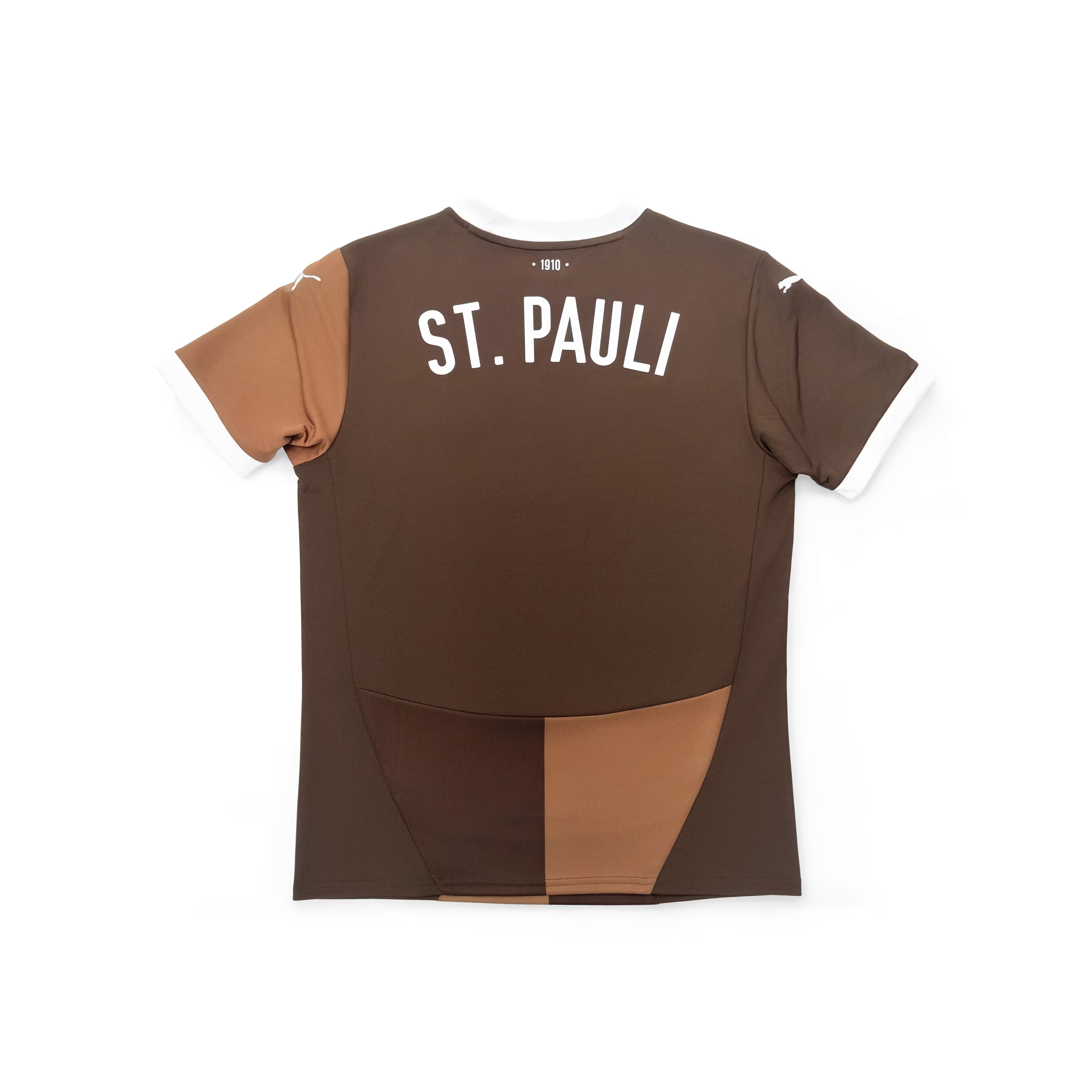
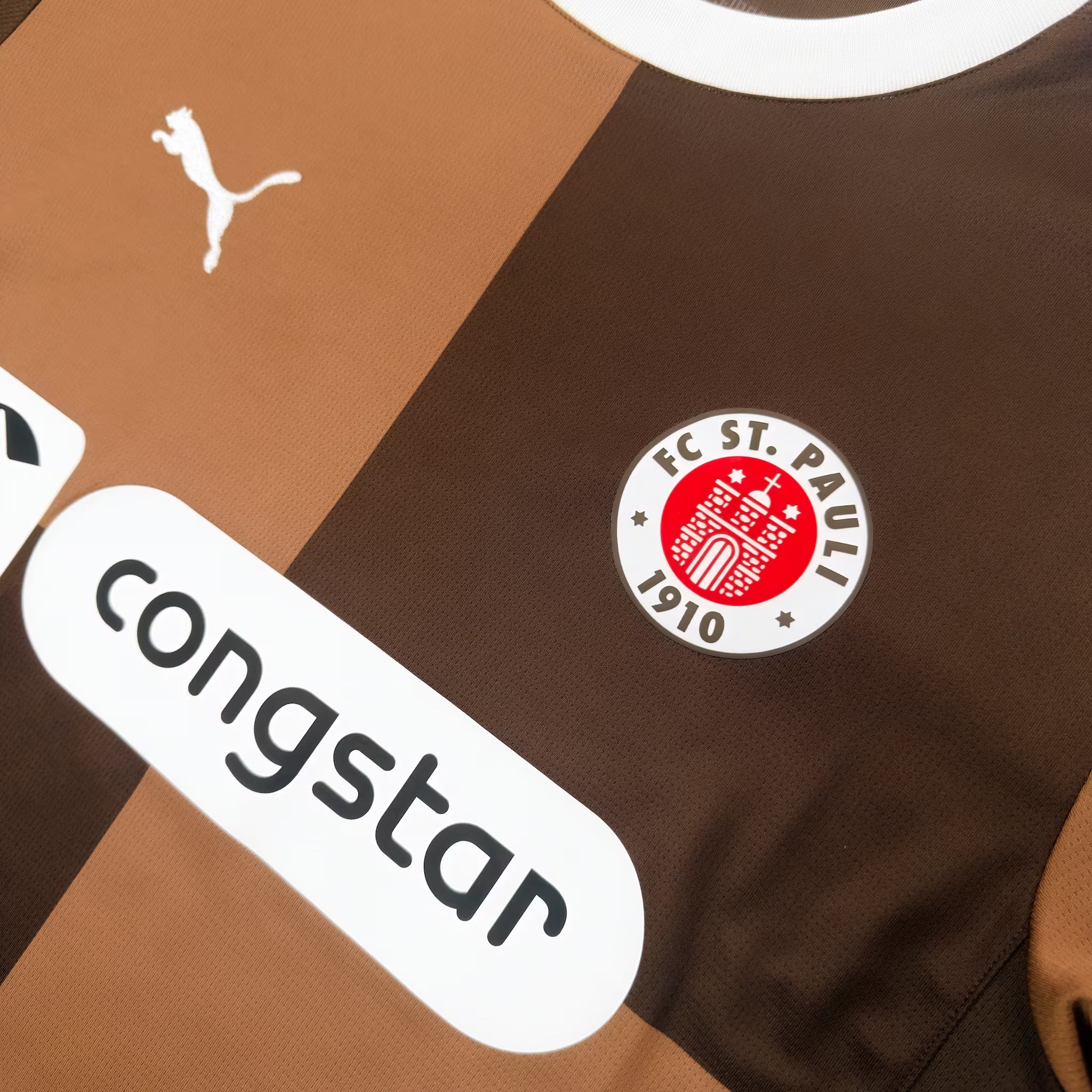
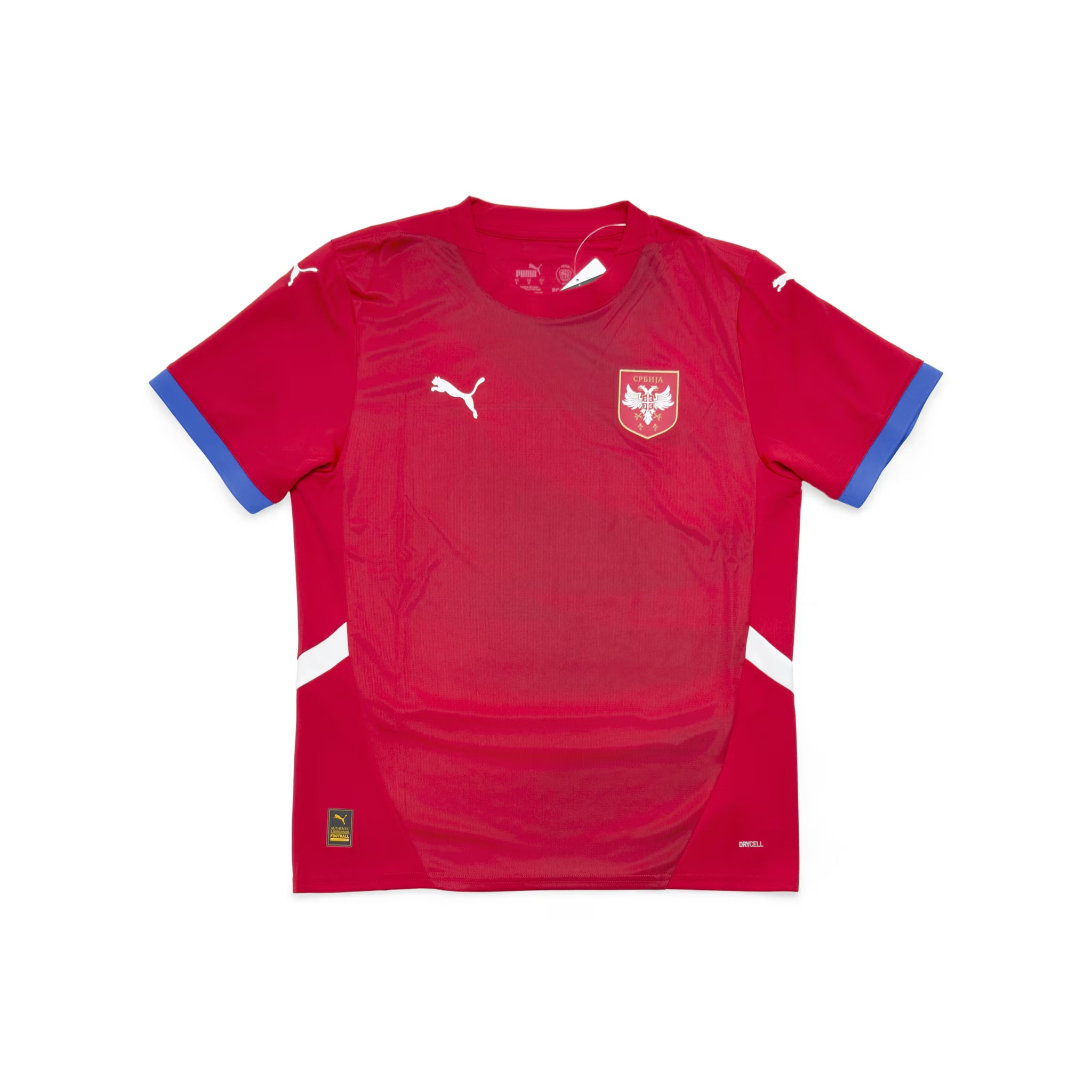
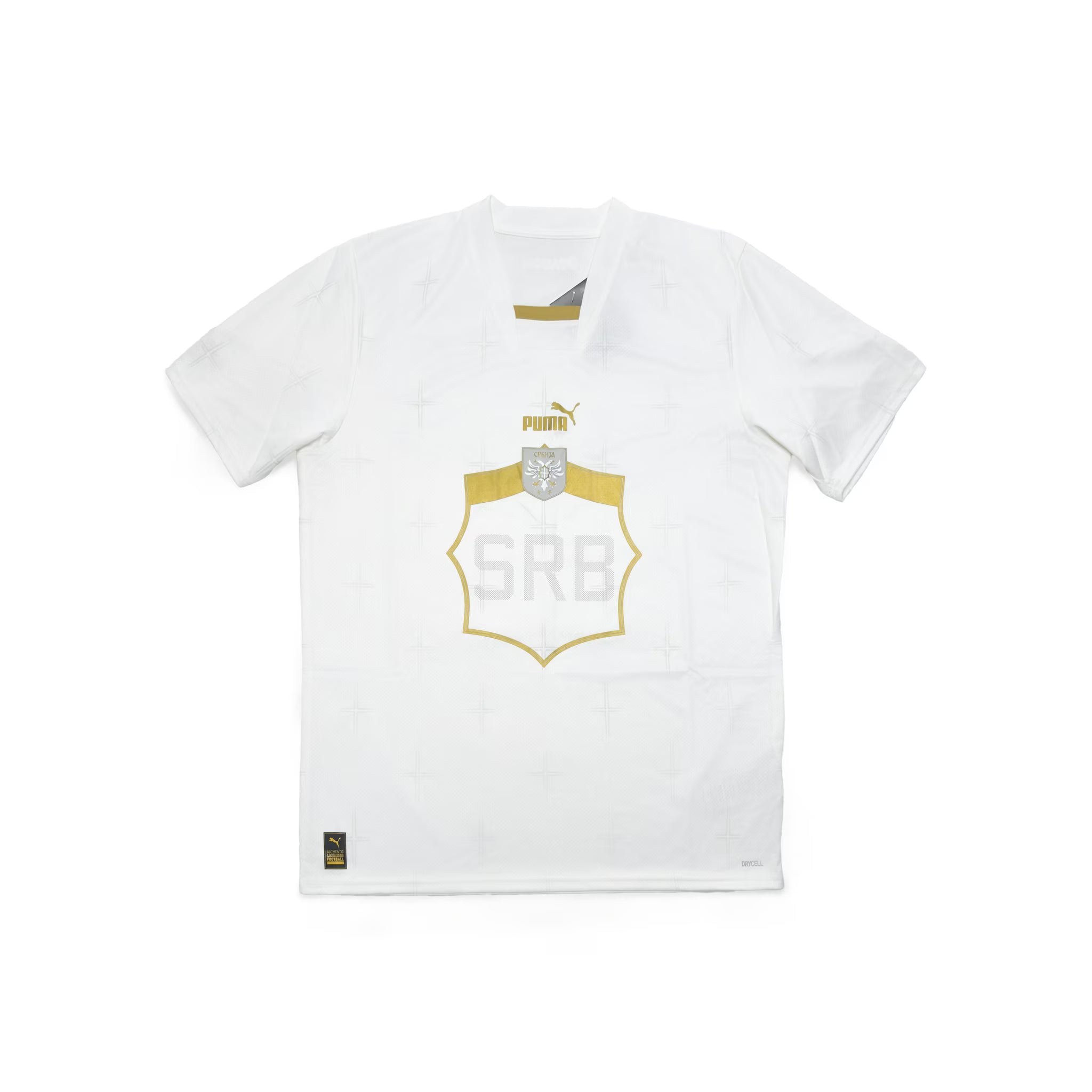
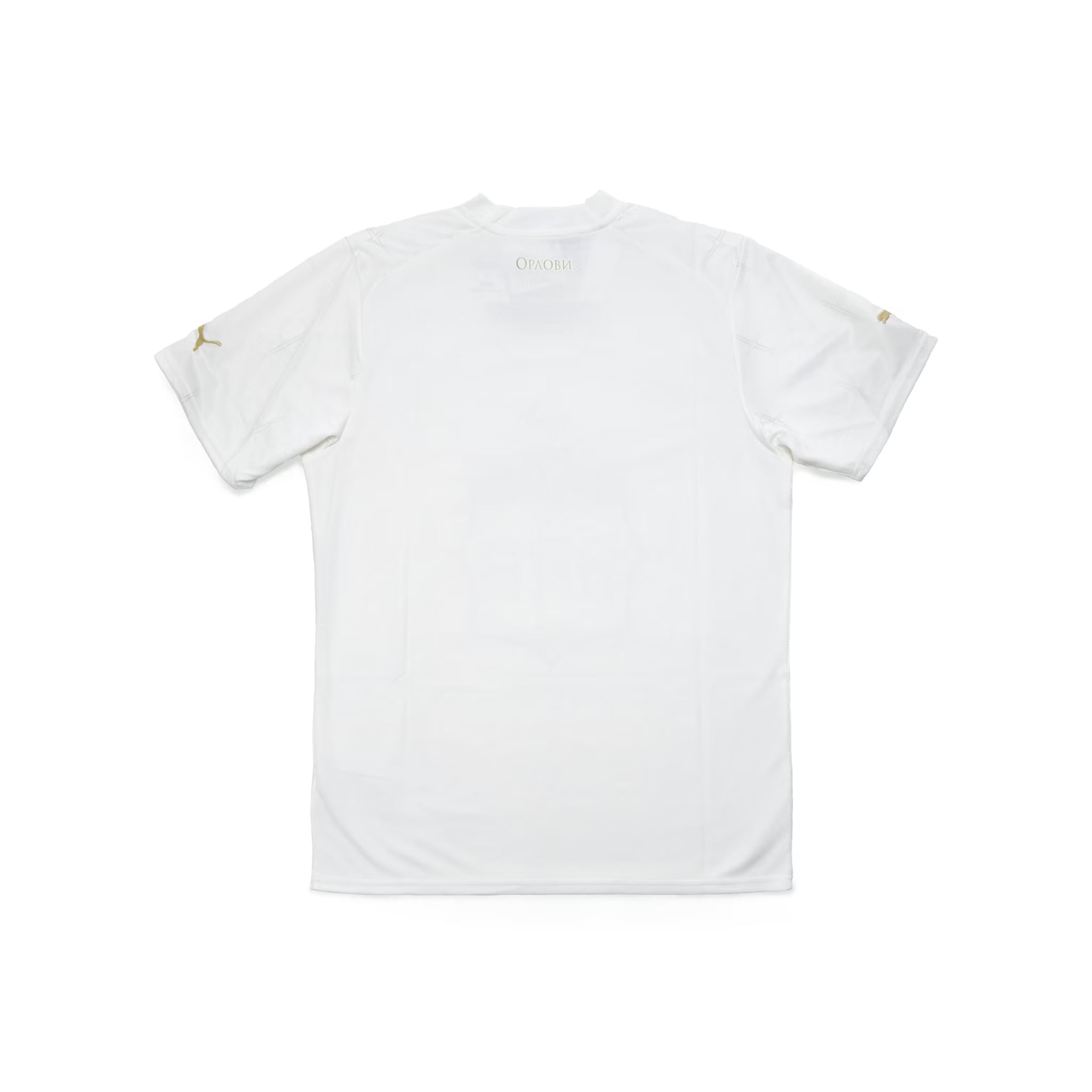
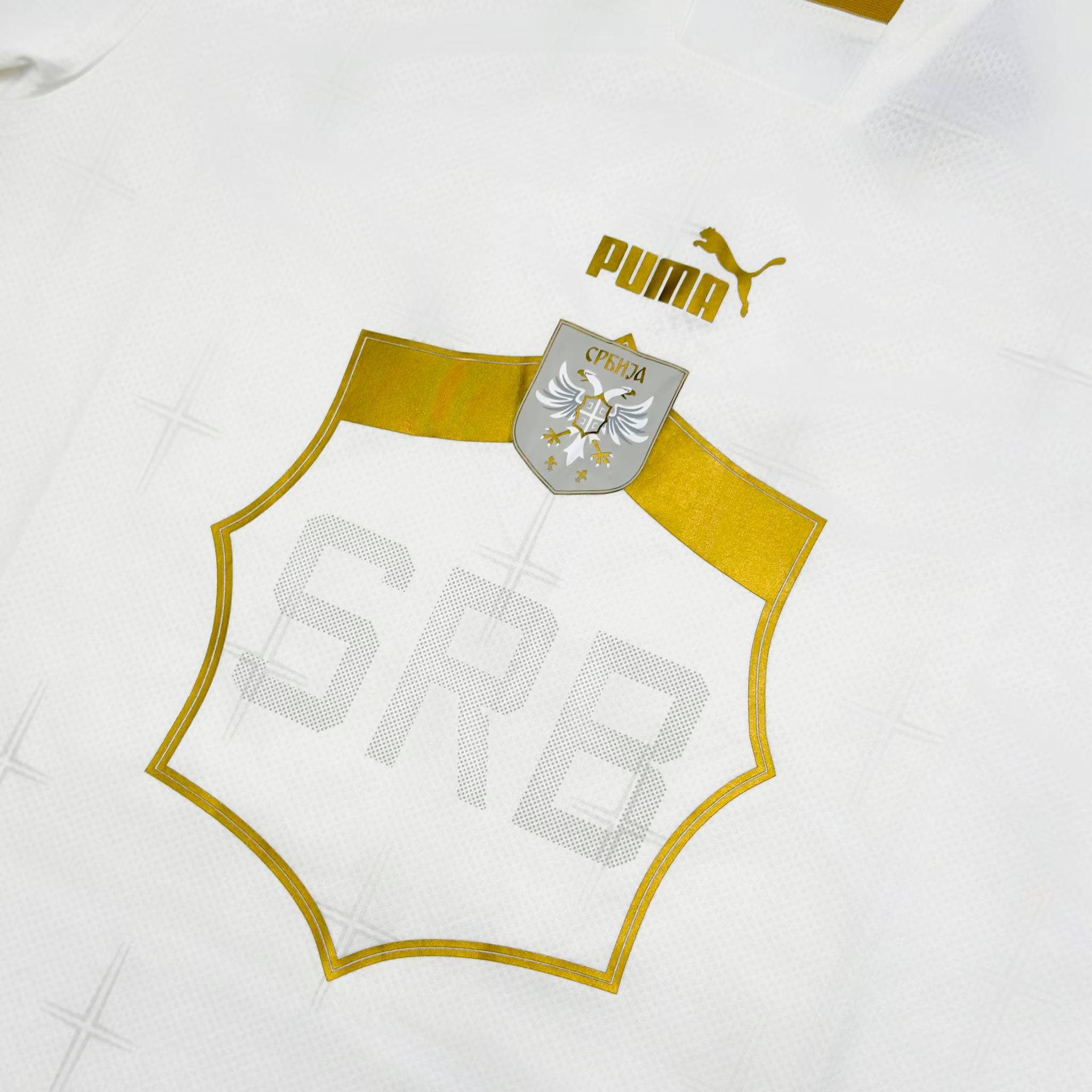
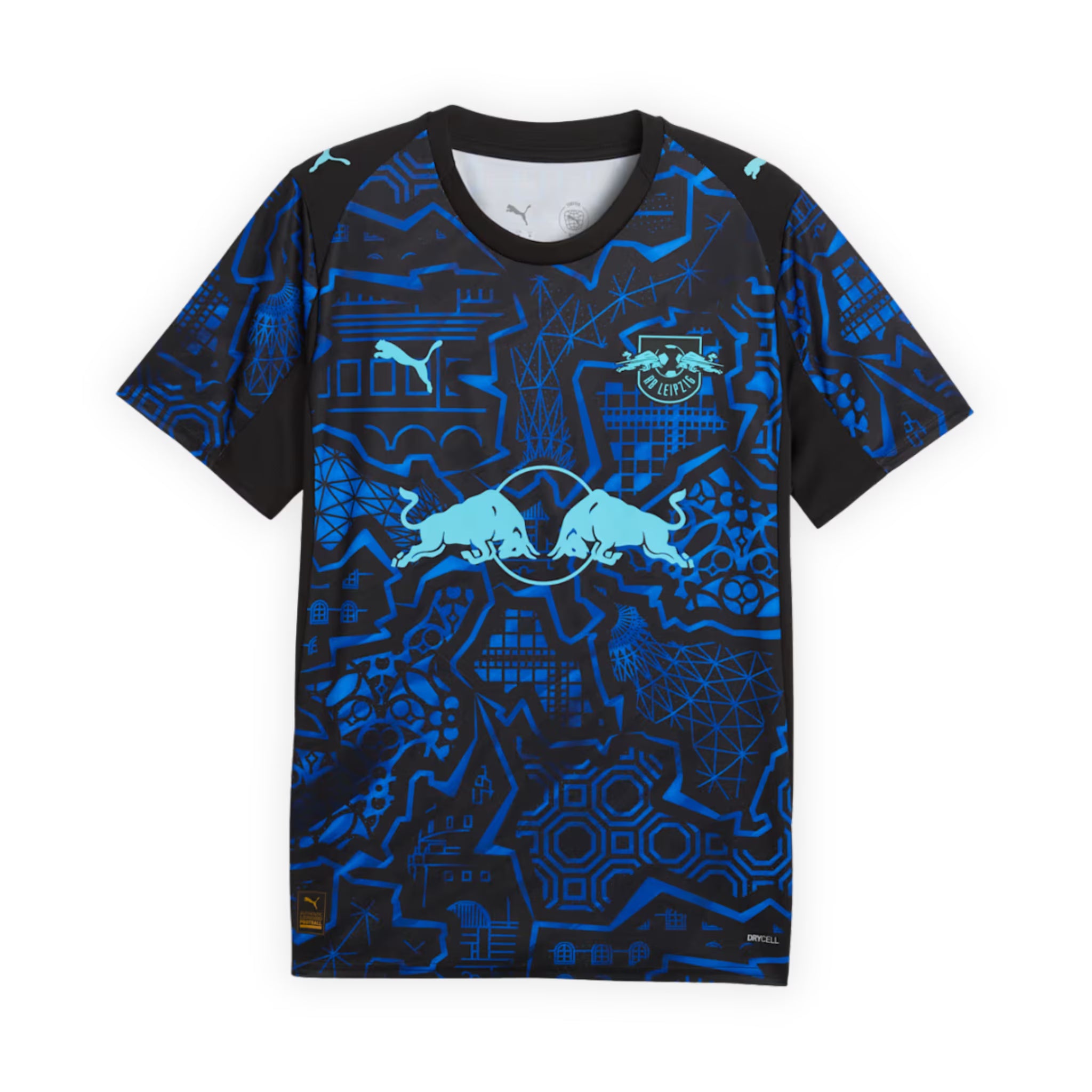
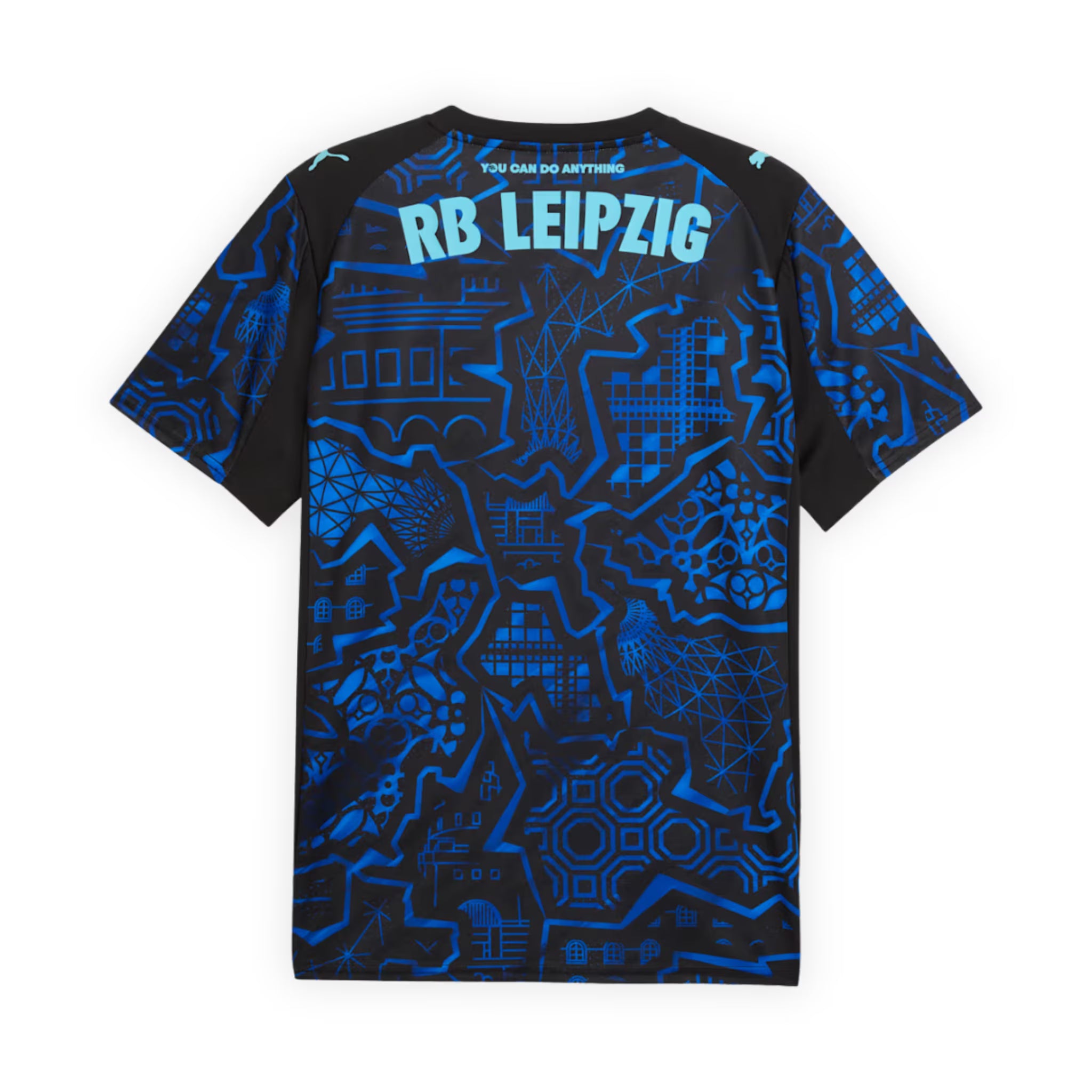
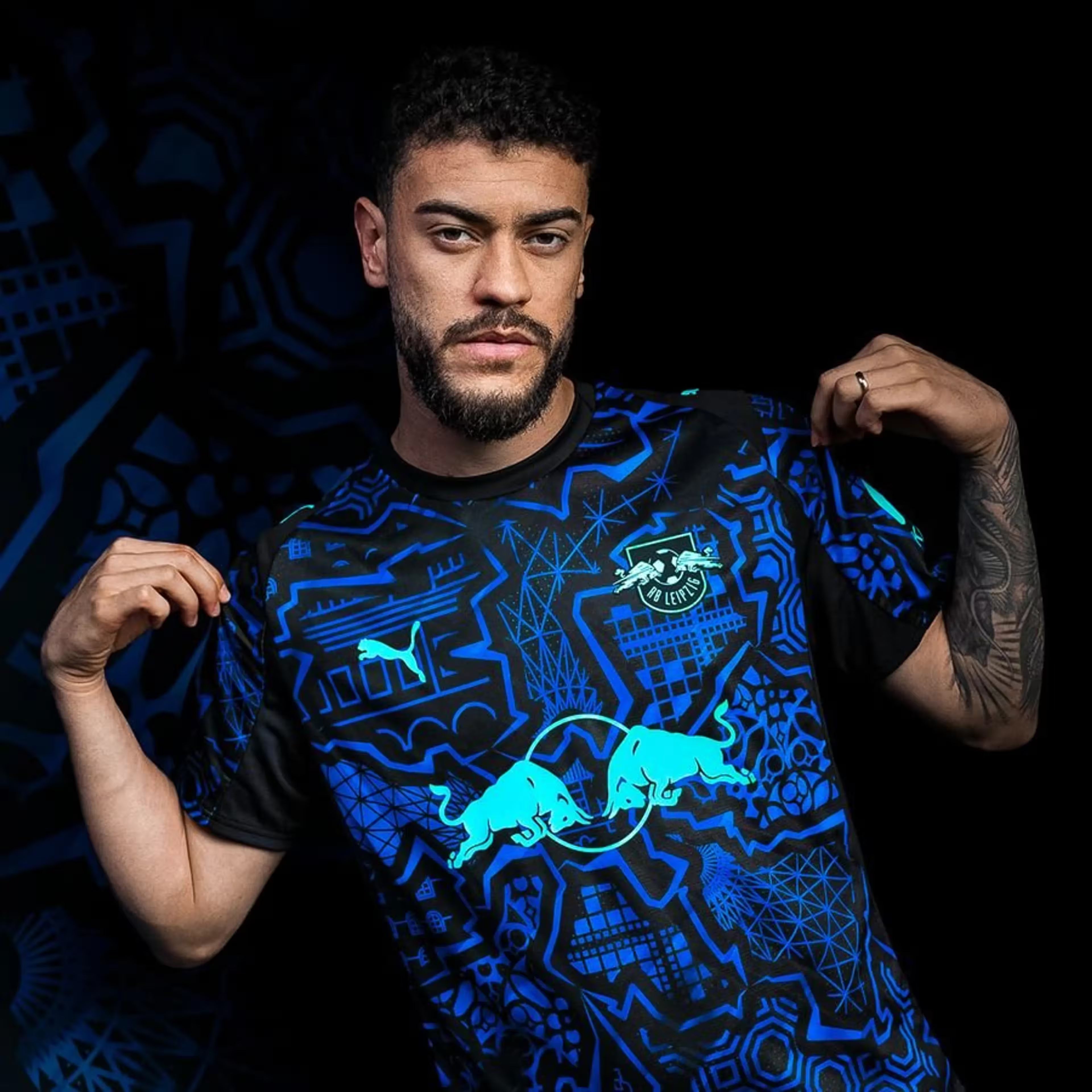
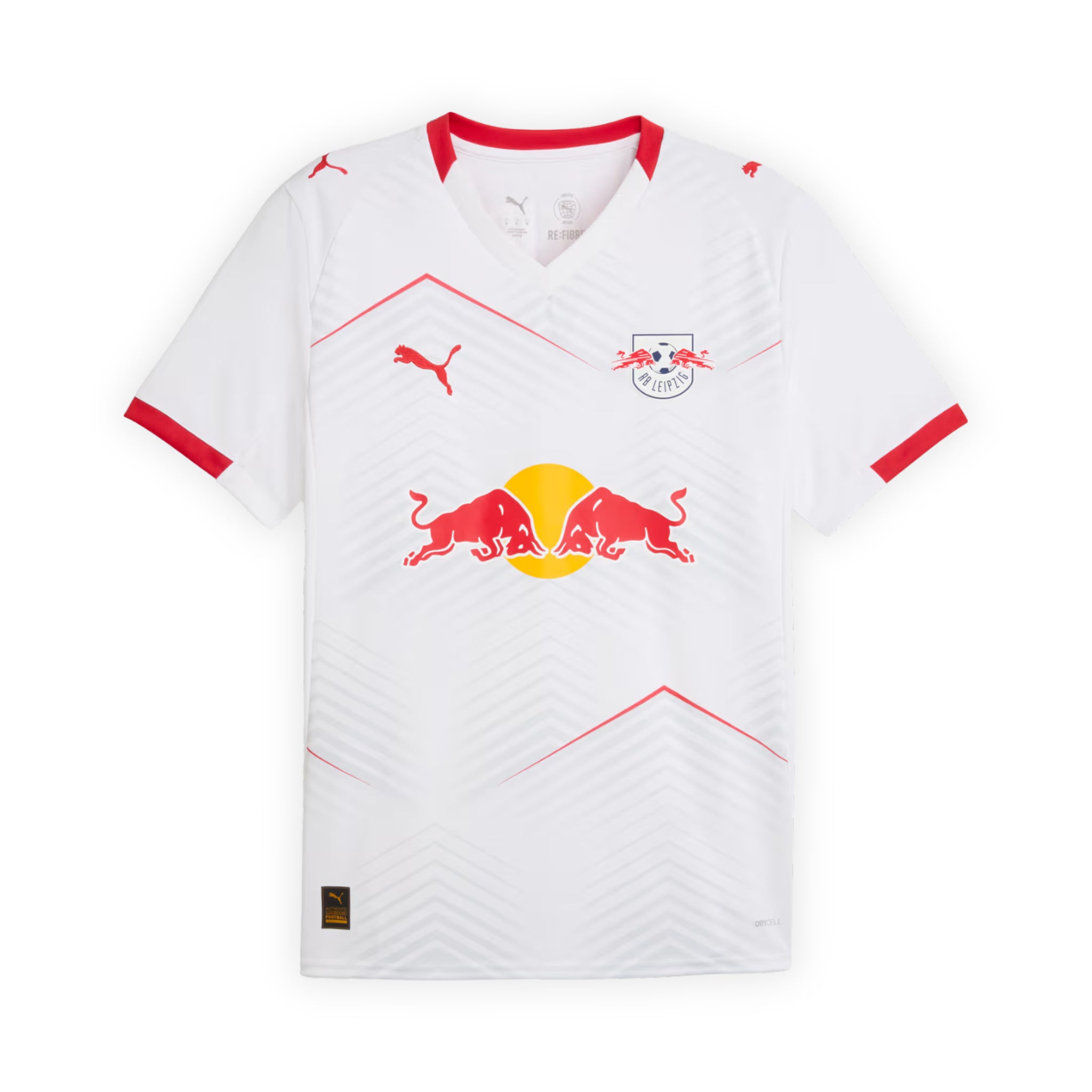
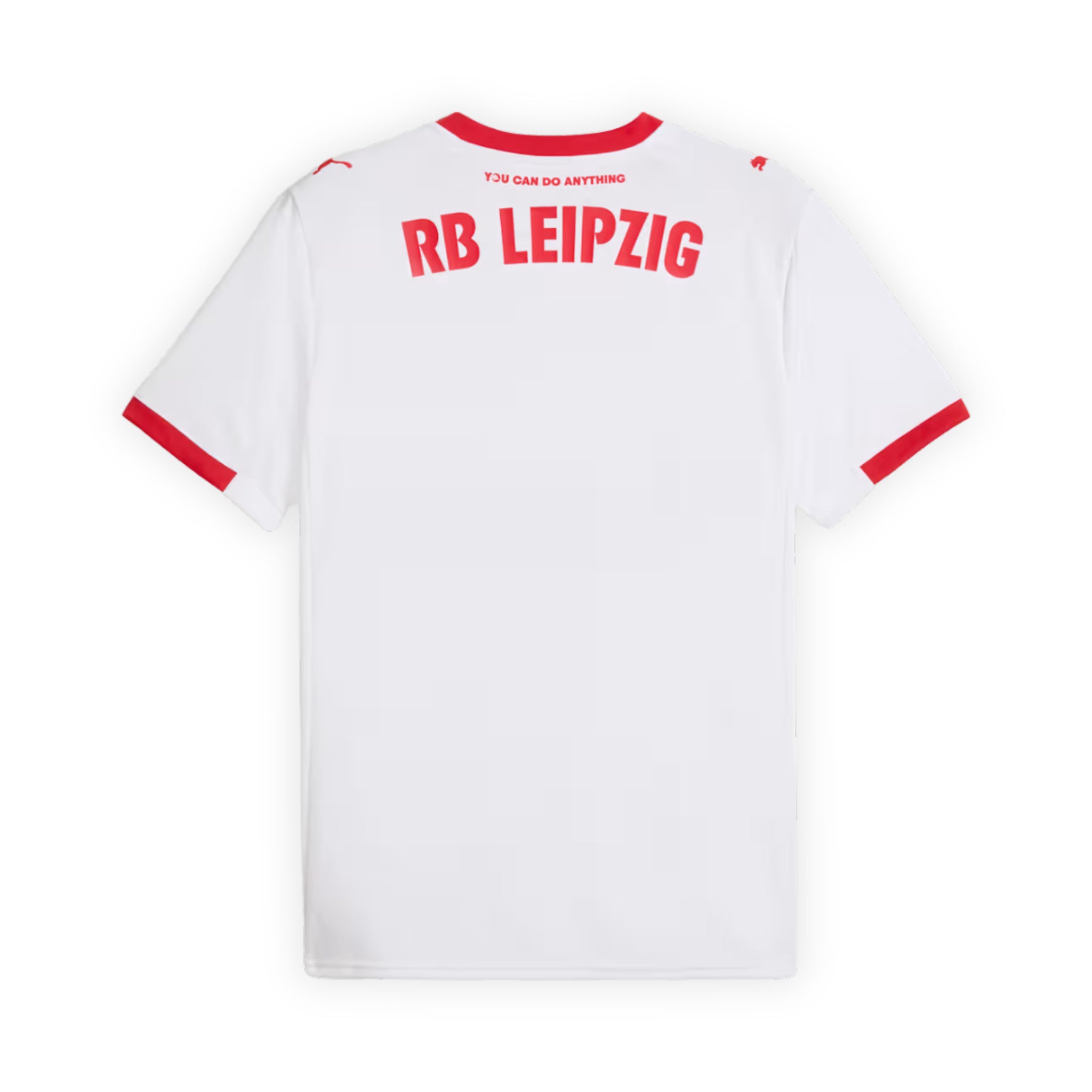
PUMA's story is one of sport, rivalry, and relentless ambition. Founded in 1948 by Rudolf Dassler in Herzogenaurach, Germany, PUMA was built with a single conviction: that athletes wearing its products should move with the speed and agility of a big cat. That conviction has driven seven decades of football heritage — from the first post-war international football match, where West German players took the pitch in PUMA boots, to the world's most celebrated clubs wearing the Formstrip on the grandest stages in the game today.
PUMA Football Shirts: A Heritage Forged in Herzogenaurach
PUMA's football story begins with boot innovation. In 1952, Rudolf Dassler collaborated with West Germany's national coach Sepp Herberger to develop the world's first boot with screw-in studs — the Super Atom. It was a breakthrough that reshaped the game and announced PUMA as a genuine force in football. The legendary PUMA King boot that followed became one of the most iconic pieces of football equipment ever created, worn by Pelé, Eusébio, Johan Cruyff, Diego Maradona, and Lothar Matthäus — names that define the history of the sport. Today, that same heritage of craftsmanship and performance lives in every PUMA football shirt.
The Clubs That Wear the Formstrip
PUMA's current club roster is among the most compelling in world football. Manchester City — one of the dominant forces in the modern game — wear PUMA as part of the largest kit partnership in the brand's history, a long-term alliance with City Football Group that spans clubs across Manchester, Melbourne, Girona, Mumbai, Montevideo, and beyond. Borussia Dortmund, home to the iconic Yellow Wall, carry the Formstrip through the Bundesliga and Europe's biggest nights. AC Milan — one of football's most storied institutions — have worn PUMA for years, combining Italian elegance with German engineering. These are clubs that don't just compete — they shape football culture. And they do it in PUMA.
PUMA Kit Technology: Speed, Fit, and Performance
Every PUMA football shirt is engineered around the demands of the modern game. dryCELL moisture-wicking technology moves sweat away from the skin for faster evaporation, keeping players cool, dry, and focused throughout ninety minutes of elite competition. Lightweight, stretch-woven fabrications move with the athlete — not against them — providing unrestricted mobility in every position. PUMA's commitment to sustainable performance means that its football kits are produced with recycled materials as part of the brand's ongoing responsibility to the game and the planet. Performance and purpose, built into every thread.
National Teams and a Global Football Footprint
PUMA's national team partnerships span multiple continents and generations. Italy wore PUMA when the Squadra Azzurra lifted the 2006 FIFA World Cup — the first World Cup victory for a PUMA-sponsored nation. Across Africa, PUMA has built one of the sport's most significant footprints, partnering with national teams including Senegal, Ghana, Cameroon, Ivory Coast, Morocco, and Egypt — nations that have consistently raised the bar in international football. From South America to the Middle East, the Formstrip has been carried into competition by teams that play with passion, identity, and pride.
Browse the full range of official PUMA football shirts at Footballshirts.com — home, away and third kits from one of football's most storied and culturally significant kit brands.